Homeowners Insurance
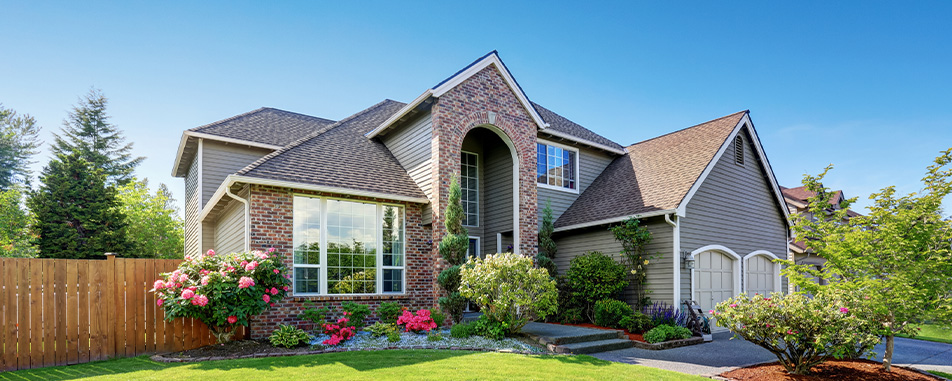
For most of us, our home is the largest asset we have, so it makes good sense to make sure it is properly protected.
In most cases, we will be able to insure your home for 100% of the replacement value, which means that in the event of a catastrophe, your home will be repaired, even if the damage exceeds your policy limit.
A standard homeowner policy protects you against:
- Liability
- Fire
- Lightning
- Windstorms/Hail
- Smoke Damage
- Falling Objects
- Freezing
- Weight of Ice and Snow
- Vandalism
- Theft of personal property
Damages that are EXCLUDED from your standard homeowner policy:
- Earthquake
- Flood
- Water Backup/Sump Overflow
- Vermin/Rodent/Insect
Coverage may be purchased for the above exclusions. There is also a new valuable endorsement you can buy – Home Systems Protection and Service Line coverage.
Contact Flathead Insurance today to ensure you and your family have the homeowners coverage you need!
Montana (406) 752-8000 – Kalispell, Columbia Falls, Whitefish, Bigfork & Polson
Idaho & Select Washington Areas (208) 667-7485 – Coeur d’Alene, Hayden, Post Falls, Rathdrum, Sandpoint, Liberty Lake (WA), & Spokane (WA)
We have been customers of Flathead since we purchased our cabin. We shopped hard for rates and they were be best by far. The service they have provided to us since has been excellent. Can’t think of a reason to look elsewhere.
– D. Ady
What does a standard homeowners policy actually cover?
A standard homeowners policy typically covers your home’s structure, your personal belongings, liability if someone is injured on your property, and additional living expenses if you’re temporarily displaced after a covered loss. As an independent agency, we compare how different carriers structure these four pieces so you’re not guessing what’s actually included.
Is flood damage covered under my homeowners policy?
No — flood damage is excluded from standard homeowners policies and requires a separate flood insurance policy. This matters even outside official flood zones, since heavy snowmelt and spring runoff across the Flathead Valley and North Idaho can cause flood damage that a standard policy won’t touch.
Does my homeowners policy cover wildfire damage?
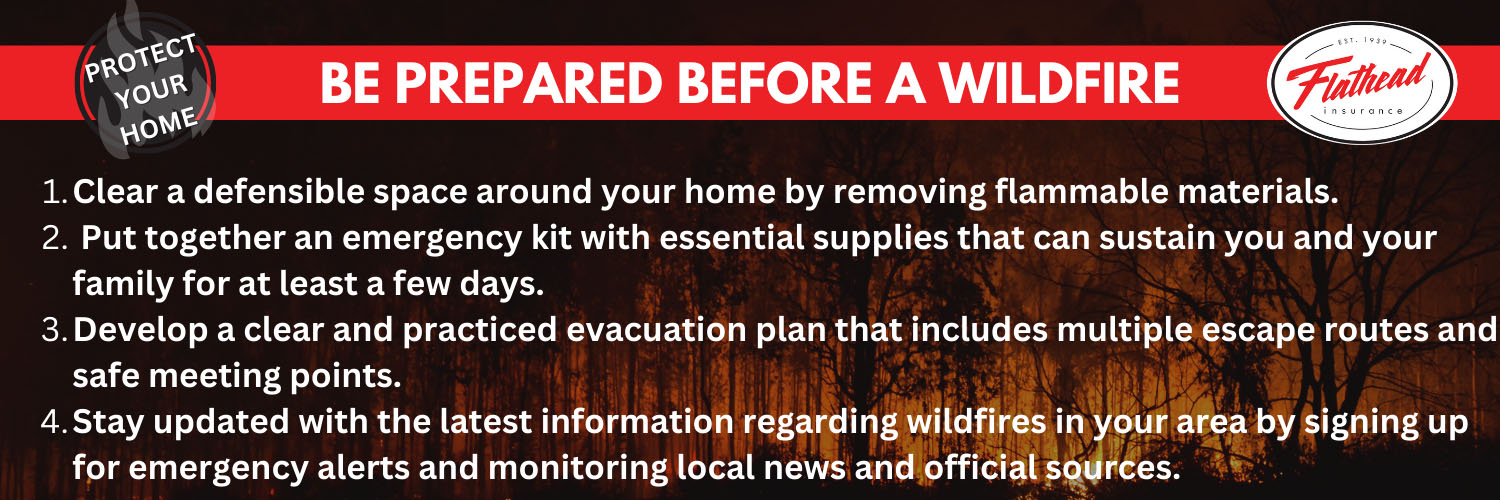
Yes, wildfire damage is generally covered under standard homeowners policies as a named peril. That said, coverage availability and pricing in wildfire-prone areas of Montana and Idaho can vary significantly by carrier, which is exactly why we shop your policy across multiple insurers rather than one.
How much homeowners coverage do I need to fully rebuild my home?
Your dwelling coverage should reflect your home’s replacement cost — what it would take to rebuild it today — not its market value or purchase price. These two numbers are often very different, especially with rising construction costs in our area, and being underinsured here is one of the most common (and costly) mistakes homeowners make.
What's the difference between actual cash value and replacement cost coverage?
Actual cash value pays out your damaged property’s value after depreciation, while replacement cost coverage pays what it actually costs to replace it new. Replacement cost coverage costs a bit more but avoids an unpleasant surprise at claim time — we recommend it for nearly every homeowner we work with.
Does homeowners insurance cover my personal belongings if they're stolen or damaged?
Yes, personal property coverage extends to your belongings both inside your home and, in many cases, away from it. Higher-value items like jewelry, art, or firearms often exceed standard per-item limits and need scheduled property coverage added to your policy to be fully protected.
What is homeowners liability coverage, and why do I need it?
Liability coverage protects you financially if someone is injured on your property, or if you or a family member accidentally causes injury or property damage to someone else — including damage caused by pets. It also covers your legal defense costs if you’re sued. Given how quickly legal costs add up, we generally recommend limits well above the policy minimum.
Am I covered if my dog bites someone or a guest is injured at my house?
In most cases, yes — this falls under your liability coverage, though some carriers exclude certain dog breeds or have specific bite-related conditions. This is a detail worth confirming directly with us, since it varies more by carrier than people expect.
Does homeowners insurance cover a home business I run out of my house?
Typically not beyond a very limited amount. Business equipment, inventory, and liability related to a home-based business usually need separate business insurance or an endorsement added to your homeowners policy. If you’re running any kind of business from home, it’s worth a quick review so you’re not unknowingly uncovered.
What's the difference between homeowners insurance and condo insurance?
Condo insurance is built around what condo associations don’t already cover — typically your unit’s interior, personal belongings, and liability — since the association’s master policy usually covers the building’s exterior and shared spaces. Homeowners insurance instead covers the entire structure since you own it outright.
Do I need a separate policy for a mobile or manufactured home?
Yes — mobile and manufactured homes are insured differently than site-built homes due to differences in construction, transportability, and risk, and require a dedicated mobile home policy rather than a standard homeowners policy.
I rent out a property I own — what kind of insurance do I need?
A landlord policy, not a standard homeowners or renters policy. Landlord insurance covers the structure and your liability as the property owner, while your tenant’s belongings need their own renters insurance — the two policies work together rather than one covering both.
Will my rate go up if I file a homeowners claim?
It depends on the claim type, cause, and your specific carrier’s rules. Before filing, especially for a smaller repair, it’s worth calling us first — we can tell you how that claim is likely to affect your rate and whether it makes sense to file or pay out of pocket.
Can I bundle my home and auto insurance together?
Yes, and most clients save money doing it. Bundling homeowners with auto (or business) insurance through the same carrier typically qualifies you for a multi-policy discount, and keeps your entire insurance picture with one agent instead of several companies.
Why should I use an independent agent for homeowners insurance instead of buying directly from one company?
A direct insurer can only offer their own coverage at their own price. As an independent agency serving Montana and Idaho since 1986, we compare your home, location, and risk profile against multiple carriers to find the one that actually fits — and we’re the ones who advocate for you if a claim gets complicated.
We are proud to service the clients of our new acquisitions

Kalispell, Montana
Kalispell, Montana 59901
Phone: (406) 752-8000
Email: info@flatheadinsurance.com
Get directions
Mon – Thur 8:30 am - 5:00 pm (MST)
Friday - 8:30 am – 1:30 pm (MST)
Saturday – Sunday: Closed


Coeur d’Alene, Idaho
Coeur d'Alene, Idaho 83815
Phone: (208) 667-7485
Email: info@flatheadinsurance.com
Get directions
Mon – Thur 8:30 am - 5:00 pm (MST)
Friday - 8:30 am – 1:30 pm (MST)
Saturday – Sunday: Closed
Columbia Falls, Montana
610 9th Street West Suite B
Columbia Falls, MT 59912
Phone: (406) 756-8000
Email: info@flatheadinsurance.com
Get directions
Monday – Friday: By Appointment Only
Saturday – Sunday: Closed

Personal Lines
Commercial Lines
Located in Kalispell, Montana and Coeur d’Alene, Idaho. We also serve these areas: Columbia Falls, Whitefish, Bigfork, and Polson in Montana; Hayden, Post Falls, Rathdrum, and Sandpoint in Idaho; and Liberty Lake and Spokane in Washington.
The information provided on this website is for general informational purposes only and does not constitute insurance advice. Coverage cannot be bound, altered, or canceled via this website, email, voicemail, or online forms. All coverage is subject to the terms, conditions, and exclusions of the policy issued.
Please speak with a licensed agent for specific coverage guidance.