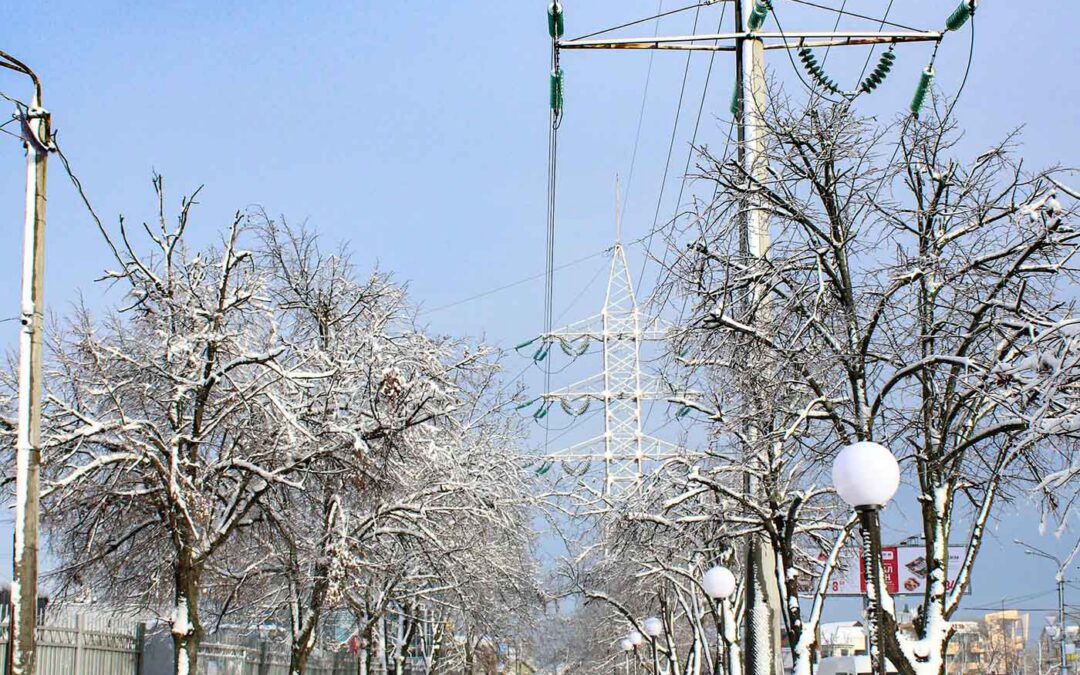
Winter is settling in across Kalispell, Columbia Falls, Whitefish, and Coeur d’Alene, and for local business owners it brings more than a busy holiday season. Icy entryways, heavy snow on the roof, frozen pipes, and employees working in the cold all create risks that can turn into costly claims. Coeur d’Alene alone averages close to 70 inches of snow a year, and Northwest Montana businesses see plenty of their own.
At Flathead Insurance, we’ve been helping Montana and Idaho businesses protect what they’ve built since 1986. Here’s a practical look at the winter risks we see most often, how business insurance typically responds, and what you can do now to stay ahead of them.
Slip-and-Fall Claims: The Biggest Winter Risk for Most Businesses
When a customer, vendor, or delivery driver slips on ice in your parking lot or at your front door, your business can be held responsible for their medical bills, lost wages, and legal costs. These claims are some of the most common liability claims businesses face, and they spike from November through March.
Who’s responsible for the sidewalk? In many cities, the property owner or occupant is. Coeur d’Alene City Code 12.24.010 requires property owners to keep adjoining sidewalks clear of snow, and Kalispell has its own sidewalk snow removal rules for property owners and businesses. If you lease your space, check your lease. Many commercial leases spell out whether the landlord or the tenant handles snow removal, and that can affect who carries the liability.
How insurance typically responds: General liability insurance, or the liability portion of a business owner’s policy (BOP), is designed to cover third-party injuries that happen on your premises, including defense costs if you’re sued. If a serious injury exceeds those limits, commercial umbrella insurance can provide an additional layer of protection.
How to reduce slip-and-fall risk
- Clear and treat walkways, entrances, steps, and parking areas before you open and throughout the day
- Keep a written snow and ice log with dates, times, and what was done. It can be valuable evidence if a claim is ever filed
- Place absorbent mats and wet floor signs inside entrances
- Repair gutters and downspouts that drip onto walkways and refreeze overnight
- Make sure exterior lighting works, especially with early sunsets
Hiring a Snow Removal Contractor? Protect Yourself First
Many businesses hire out plowing and shoveling, but handing off the work doesn’t automatically hand off the risk. Before the first big storm:
- Get a certificate of insurance showing the contractor carries general liability and commercial auto coverage
- Ask to be named as an additional insured on their liability policy
- Use a written agreement that spells out timing, service triggers (for example, after two inches of snow), and responsibility for injuries
- Confirm the contractor carries workers’ compensation for their crew
| Do you plow on the side?
Contractors, landscapers, and farm and ranch operators across the Flathead Valley often pick up snow plowing work in the winter. Snow removal is a specialized exposure, and some general liability and auto policies limit or exclude it. If you plow for others, talk with us to make sure your contractors insurance and commercial auto policy are set up for that work. |
Workers’ Compensation and Winter Injuries
Your employees face winter hazards too, from slips in the parking lot to strains from shoveling and accidents on icy job sites. Montana and Idaho both require most employers to carry workers’ compensation, which typically covers medical costs and lost wages for employees injured on the job.
- Provide ice cleats or traction footwear for employees who work outdoors
- Train staff on safe shoveling and lifting, and encourage regular breaks in extreme cold
- Keep first aid supplies stocked and make sure employees know how to report an injury promptly
If you’ve added seasonal or holiday staff, let us know. Changes to payroll and job duties can affect your workers’ comp policy.
Snow Load, Frozen Pipes, and Property Damage
Heavy, wet snow is a fact of life in Northwest Montana and North Idaho, and it can take a serious toll on commercial buildings. Flat and low-slope roofs common on retail, warehouse, and shop buildings are especially vulnerable to snow load and ice dams. Inside, a burst pipe or frozen fire sprinkler line can damage inventory, equipment, and your building in a matter of hours.
How insurance typically responds: Commercial property insurance commonly covers damage from the weight of snow and ice and from sudden pipe bursts, but policies often have conditions. Some require that heat be maintained in the building, and damage from long-term leaks or lack of maintenance may be excluded. Business income coverage can help replace lost revenue and pay ongoing expenses if you have to close while repairs are made.
- Have your roof inspected and know who to call to remove snow safely
- Keep the thermostat at 55°F or higher, including over weekends and holiday closures
- Insulate pipes along exterior walls and in unheated areas
- Have your furnace or boiler serviced before the coldest weather arrives
- Know where your main water shut-off is and make sure key employees do too
Winter Risks at a Glance
| Winter risk | Coverage that typically responds |
| Customer slips on your icy sidewalk or entrance | General liability or BOP |
| A large injury lawsuit exceeds your liability limits | Commercial umbrella |
| Employee is hurt shoveling snow or on an icy job site | Workers’ compensation |
| Roof damage from heavy snow or ice | Commercial property |
| Burst pipe damages inventory or equipment | Commercial property |
| You close for repairs after a covered loss | Business income (business interruption) |
| Company vehicle slides into another car | Commercial auto |
| Your plow truck damages a client’s property | Commercial auto and general liability (if snow removal is covered) |
Every policy is different, so the best way to know where you stand is to review your coverage with a local agent before winter hits hard.
Your Winter Business Insurance Checklist
- Review your general liability limits and consider whether commercial umbrella coverage makes sense
- Confirm whether you or your landlord is responsible for snow removal, and get it in writing
- Collect current certificates of insurance from any snow removal contractor
- Update payroll and employee counts for seasonal hires on your workers’ comp policy
- Check your commercial property limits against today’s building and repair costs
- Ask whether you have business income and equipment breakdown coverage
- Make sure every vehicle used for business is on a commercial auto policy
As an independent agency, Flathead Insurance works with many insurance carriers, so we can compare business insurance options and build a package that fits the way your company actually operates.
Frequently Asked Questions
Does business insurance cover slip-and-fall accidents?
Usually, yes. General liability insurance, or the liability portion of a business owner’s policy (BOP), typically covers medical costs and legal defense when a customer or visitor is injured on your premises. Commercial umbrella insurance can add protection if a claim exceeds your liability limits.
Who is responsible if someone slips on the sidewalk outside my business?
It depends on local ordinances and your lease. In Coeur d’Alene and many other cities, property owners must keep adjoining sidewalks clear of snow and ice. If you lease, your lease may assign snow removal and related liability to either the landlord or the tenant.
Am I covered if my snow removal contractor misses a spot and someone gets hurt?
You may still be named in a claim. Protect your business by requiring the contractor to carry general liability insurance, naming your business as an additional insured, and using a written agreement that spells out responsibilities.
Does commercial property insurance cover roof damage from heavy snow?
Commercial property insurance commonly covers damage caused by the weight of snow and ice, subject to your policy’s terms. Damage from long-term wear or poor maintenance may be excluded, so regular roof inspections matter.
Are frozen and burst pipes covered by business insurance?
Sudden pipe bursts are commonly covered under commercial property insurance, but many policies require that heat be maintained in the building. Business income coverage can help replace lost revenue if you have to close during repairs.
Do Montana and Idaho businesses need workers’ compensation?
Yes. Montana and Idaho both require most employers to carry workers’ compensation, which typically covers medical costs and lost wages for employees injured on the job, including winter slips and shoveling injuries.
Local Business Insurance From Flathead Insurance
From retail shops in downtown Kalispell to contractors in Columbia Falls and restaurants along Sherman Avenue in Coeur d’Alene, Flathead Insurance helps businesses across Northwest Montana and North Idaho get ready for winter. Give us a call for a business coverage review before the next big storm.
| Talk with a local agent today
Kalispell: 2330 U.S. Hwy 2 E, Kalispell, MT 59901 | (406) 752-8000 Coeur d’Alene: 350 East Kathleen Ave, Suite 300, Coeur d’Alene, ID 83815 | (208) 667-7485 Columbia Falls: 610 9th Street West, Suite B, Columbia Falls, MT 59912 | (406) 756-8000 (by appointment) Get a quote: flatheadinsurance.com/quote-2 |